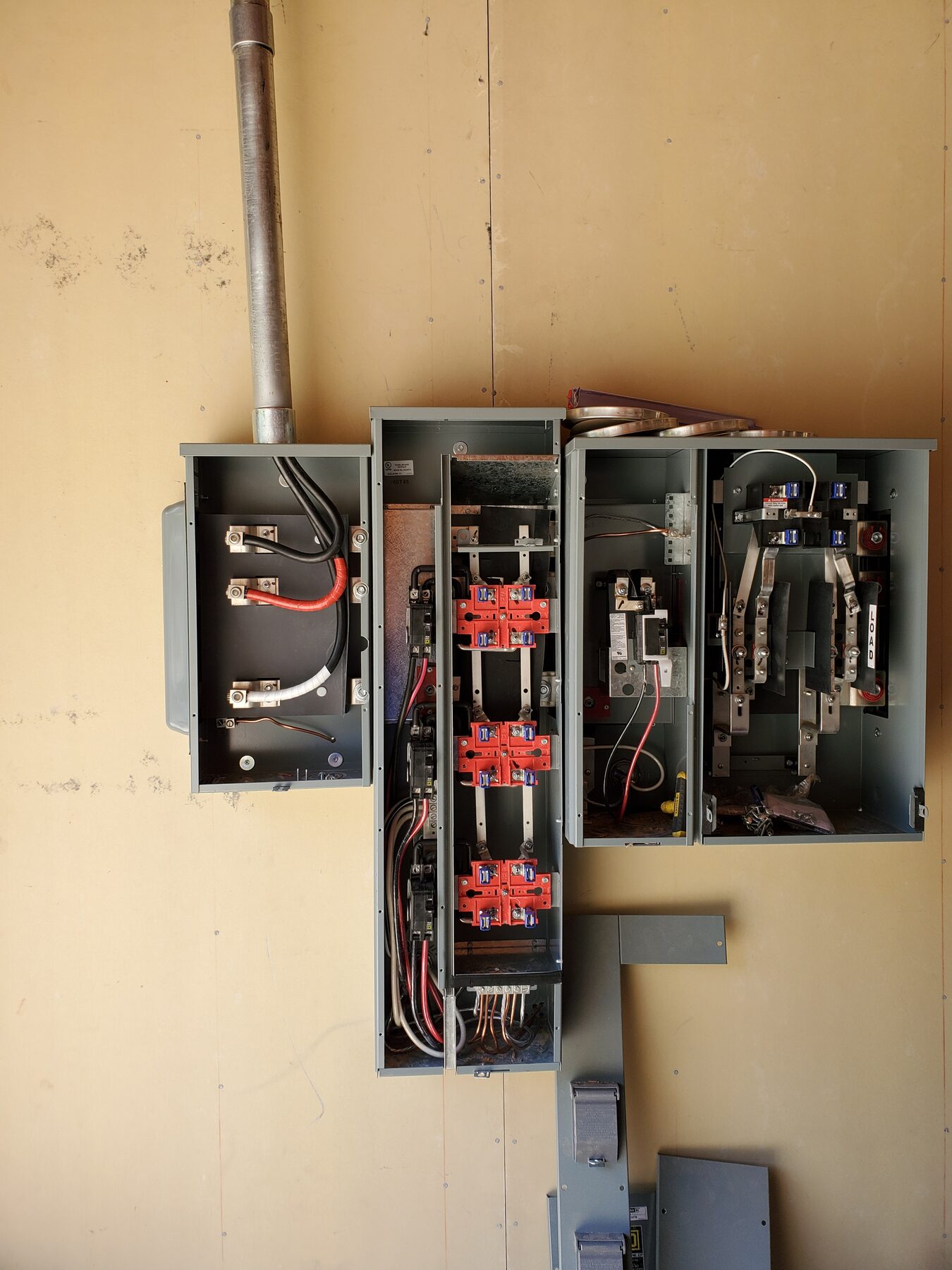
Most emergency calls at rental properties are predictable: common-area lighting failures, exterior photocells stuck on, corroded exterior GFCIs, loose panel terminations from thermal cycling, and exit signs whose batteries never got tested. A quarterly walkthrough catches nearly all of them and gives owners documentation they can hand to an insurer.
The Quarterly Walkthrough
A quarterly pass covers common areas, exterior lighting, laundry rooms and the service equipment. It is fast because it is repetitive, and its value is in the trend rather than any single visit.
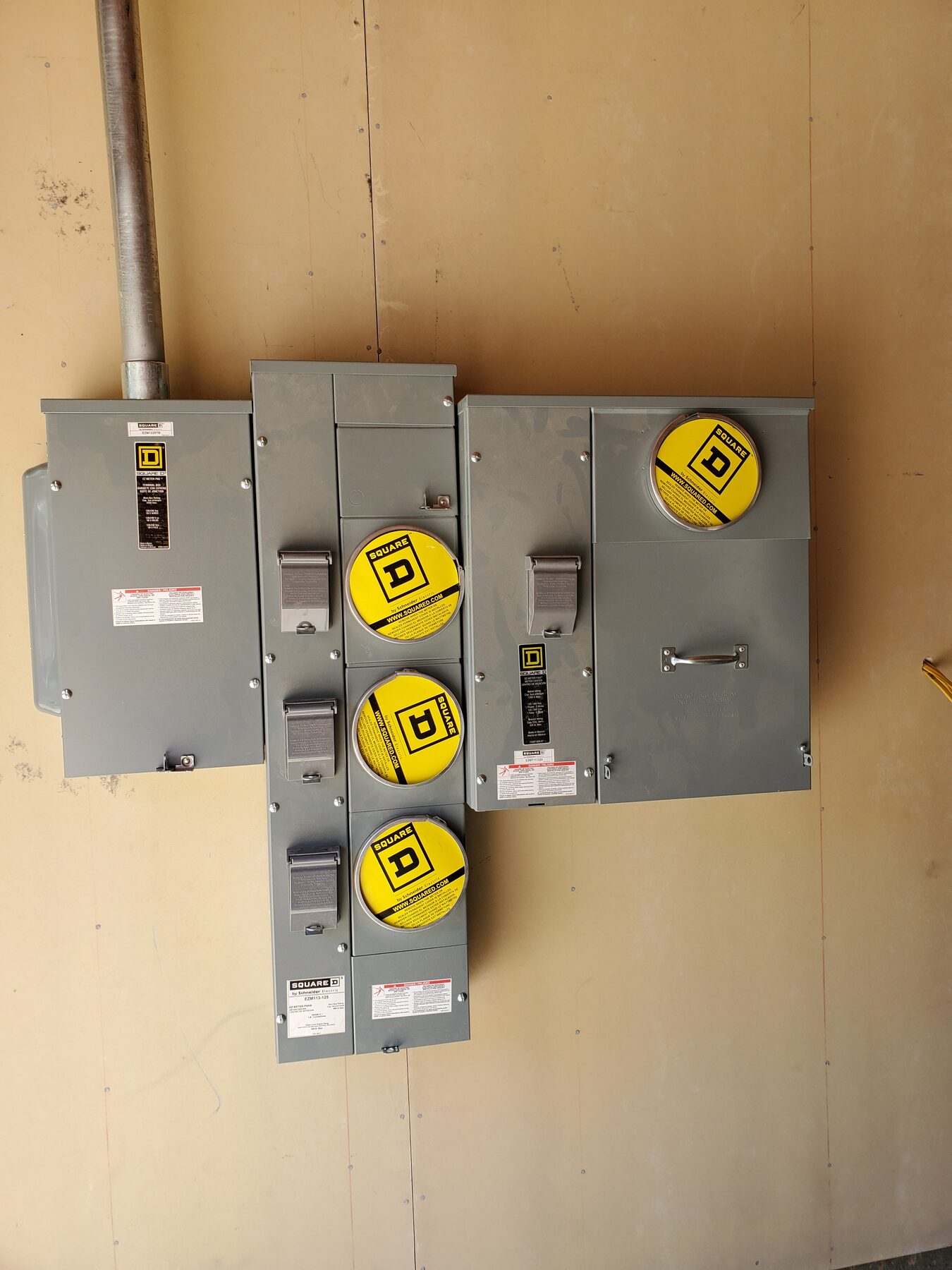
Photographing panel interiors every quarter is the single highest-return habit. Comparing images over a year shows discoloration and creeping heat damage long before anything fails.
- Common-area and stairwell lighting, including lamp-out counts
- Exterior photocells and timeclocks verified against actual dusk
- Exterior GFCI receptacles tested and covers checked for corrosion
- Panel interiors photographed, covers checked for heat
- Laundry room receptacles, dryer circuits and lint-related hazards
Life Safety Items on an Annual Cycle
Emergency lighting and exit signage require a monthly functional test and an annual 90-minute discharge test. The button check confirms the lamp works, not that the battery holds.
Batteries fail quietly, and a failed annual test is far cheaper to discover on a Tuesday than during an actual outage.
- Annual 90-minute discharge test on all emergency lighting
- Exit sign illumination and battery backup verified
- Smoke and carbon monoxide alarms verified at turnover and annually
Unit-Level Work Belongs at Turnover
Getting into occupied units is the hardest part of any maintenance program. Bundle unit-level electrical checks into the turnover process, when the unit is already empty and the trades are already scheduled.
GFCI and AFCI testing, receptacle condition, smoke alarm replacement and fixture condition all fit inside a normal turn without adding a tenant notice.
Documentation Owners Can Actually Use
A maintenance program that produces no paperwork is invisible when it matters. Each visit should generate a dated report with photographs, items corrected, and items recommended with a priority.
That file supports insurance renewals, answers habitability complaints, and gives a lender or buyer confidence during due diligence.
Budgeting for the Predictable Replacements
Panels, exterior fixtures, photocells and emergency battery units all have known service lives. Once you have a year of walkthrough data, replacement can be scheduled into the capital plan instead of hitting the repair line as an emergency.
That shift is usually where the program pays for itself.
If your property does not have a documented electrical maintenance cycle yet, a first walkthrough usually surfaces enough to justify the program on its own.